
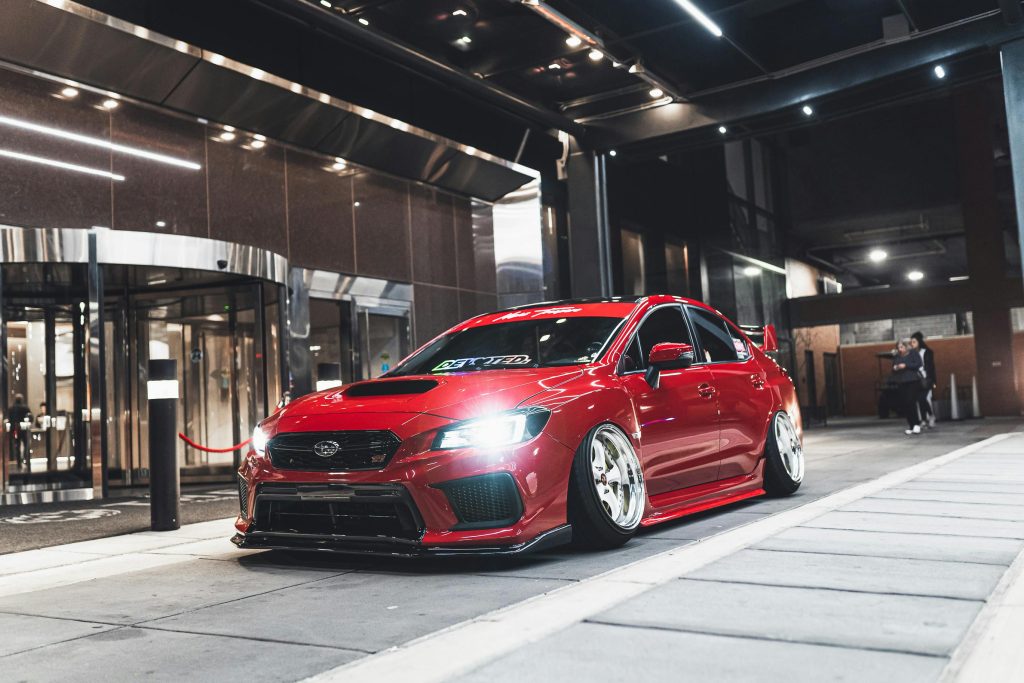
Car headlights are not just a vital safety feature—they’re also regulated by law. Whether you’re driving during twilight hours, in heavy rain, or through fog, your headlights help ensure that you can see the road clearly and that other road users can see you. However, not using them properly—or modifying them incorrectly—can lead to visibility issues, fines, or even accidents.
In this article, we break down the most important car lighting regulations, explain when and how to use headlights legally, and provide guidance on aftermarket modifications to help you stay compliant and safe on the road.
1. When Are You Legally Required to Use Your Headlights?
Most traffic laws around the world share similar guidelines, but specific requirements vary by country or state. Generally, you must turn on your headlights under the following conditions:
- Between sunset and sunrise
- In low-visibility conditions such as fog, heavy rain, snow, or smoke
- Whenever windshield wipers are in use, in many jurisdictions
- In tunnels or shaded areas during daylight hours
- From a certain distance before sunrise or after sunset (often 30 minutes)
Failing to comply with these requirements can result in traffic tickets or even liability in the event of a collision.
2. Understanding the Different Types of Headlight Settings
Modern vehicles are equipped with several headlight modes, each of which has specific legal expectations:
- Low Beams (Dipped Headlights): Used for general nighttime driving and in bad weather. These must not dazzle oncoming traffic.
- High Beams (Main Beams): Designed for dark, empty roads. It is illegal to use high beams within a certain distance of other vehicles (often 200–500 feet or 60–150 meters).
- Daytime Running Lights (DRLs): Required in many countries. These lights are automatically on during the day for improved visibility but do not replace the need for full headlights.
- Fog Lights: Meant for severe fog or snow. Using fog lights when conditions don’t warrant them is illegal in many places.
3. Headlight Color and Brightness Regulations
Laws typically govern not just when headlights are used, but also their color and intensity:
- Color: Most regions require headlights to emit white or yellow light. Blue, red, or green lights are generally prohibited for civilian vehicles.
- Brightness Limits: Excessively bright or misaligned headlights can blind oncoming drivers. Most jurisdictions set a maximum light output measured in lumens or candela, and some require periodic inspections to ensure compliance.
Improper modifications—such as installing ultra-bright bulbs or colored tints—can result in citations and may cause your car to fail inspection.
4. Common Headlight-Related Violations and Penalties
Here are some frequent violations and the consequences you might face:
- Driving without headlights at night or in poor conditions: Fines, points on your license, or warnings.
- Using high beams improperly: Can result in penalties or liability if they contribute to an accident.
- Non-compliant headlight color or brightness: May lead to fines, failed inspections, or required repairs.
- Malfunctioning or broken headlights: Can result in a ticket and must be fixed before the vehicle can be legally driven at night.
5. Legal Considerations for Aftermarket Headlight Modifications
Custom headlights can improve appearance or performance, but you must ensure they meet legal standards:
- LED and HID Conversions: These must be installed properly and not exceed brightness limits.
- Smoked or Tinted Lenses: Often illegal because they reduce light output and visibility.
- Projector Headlights: Legal if they’re properly aimed and compliant with safety standards.
- Underbody and Accent Lighting: These are generally restricted or banned on public roads, especially if the colors mimic emergency vehicles.
Before modifying your headlights, check local vehicle codes or consult with a certified installer to avoid illegal changes.
6. How to Stay Compliant with Headlight Regulations
- Check Local Laws: Vehicle lighting laws differ between states and countries. Always review regional codes if you’re traveling or relocating.
- Regular Maintenance: Replace burned-out bulbs promptly and keep lenses clean and clear.
- Proper Alignment: Make sure your headlights are correctly aimed to avoid blinding other drivers and to maintain optimal road illumination.
- Inspection Compliance: Many regions require vehicles to pass headlight checks during annual inspections. Ensure your system meets visibility and alignment standards.
7. Special Regulations for Commercial and Off-Road Vehicles
Larger or specialized vehicles may have different lighting requirements:
- Trucks and Buses: Often need additional marker and clearance lights.
- Off-Road Vehicles: Can use brighter lights off-road but must switch to legal headlights on public roads.
- Motorcycles: Required to have headlights on at all times in some jurisdictions.
Always follow manufacturer guidelines and regional laws for these vehicle types.
Conclusion: Know the Law, Drive with Confidence
Understanding and following headlight laws isn’t just about avoiding tickets—it’s about being a responsible, safe driver. From using the right lights in the right conditions to ensuring your modifications meet legal standards, staying informed can help you see and be seen clearly on the road.